
Waaaarrrrrriiiorsss, come out to pla-i-ay!
Luther (David Patrick Kelly)
Growing up as a kid my stepdad introduced me to a range of films which he had watched as a child growing up in the seventies. As a result, I probably watched some films which I perhaps shouldn’t have at such a young age. There were two films directed by Walter Hill which were favorites in our household, the box office bomb “Streets of Fire” (1984) and the box office smash which was “The Warriors”.
Both films would transport me to the seedy, neon-lit, urban American landscapes where guys were macho, but the women were equally as fierce and independent. These two films were highly visual, vibrant pieces of pop art that seemed to embrace pop culture in every form whether it be graphic novels or in fashion. Simply put, Walter Hill understood what was cool and hip with the kids.
“The Warriors” is a film that is so uniquely grounded in the era it was released, but at the same time, it is a timeless classic, with a story that is universal on so many levels. Hill managed to create the ultimate anti-establishment film, which spoke to the youth of the time in a way that wasn’t patronizing or pandering. He understood what teenagers liked, and as a result, he made a film that they could identify with, even if they weren’t part of the gangland culture. It may not be the best film of 1979, but “The Warriors” is certainly the most entertaining film of 1979.
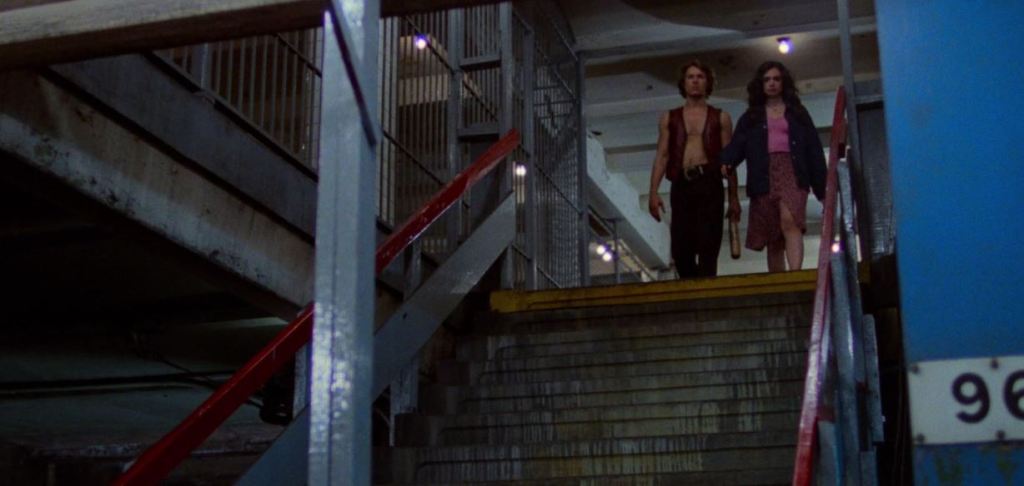
The plot of “The Warriors” is fairly simple and that works in its favor. The city’s greatest gang leader called Cyrus (Roger Hill) calls representatives of every prominent gang in the city to a meeting in a Bronx park, seemingly ushering in a new golden era of gang unity. Cyrus informs the crowds that they all outnumber the police three to one, which means that if they unite together they could take over the city.
Hill managed to create the ultimate anti-establishment film, which spoke to the youth of the time in a way that wasn’t patronizing or pandering.
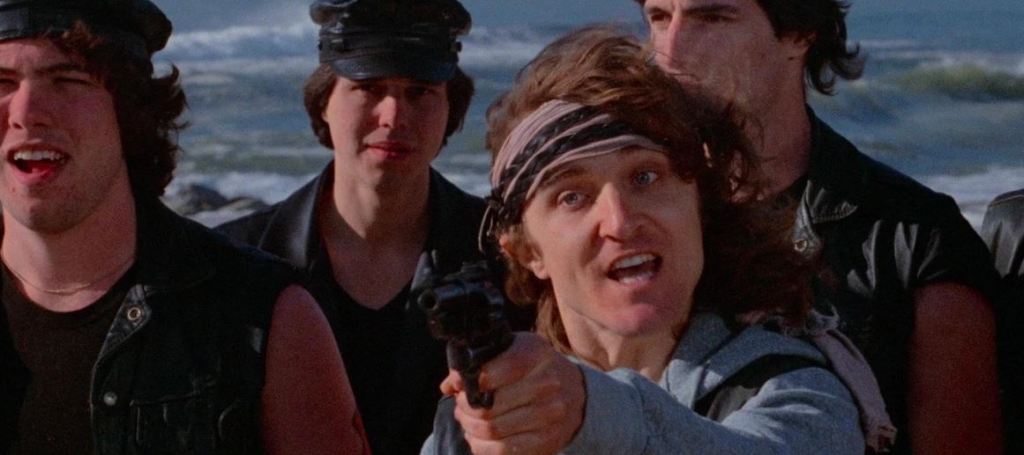
Everyone seems on board with this decision, apart from Luther (David Patrick Kelly), leader of the Rogues, who shoots Cyrus dead. Luther frames the Warriors’ leader Cleon for the murder. Swan (Michael Beck), the Warriors’ “war chief”, takes charge of the group as they try to make it back home across the wild streets of New York from the north end of The Bronx to their home turf in Coney Island in southern Brooklyn. Upon their journey home, they come across Mercy (Deborah Van Valkenburgh) who tags along and becomes a love interest of sorts for Swan.
With “The Warriors”, Walter Hill creates a highly imaginative world full of its own sets of rules and customs. it’s a hyper-reality, set in a place that looks familiar to us, but at the same time, we know it’s just a fantasy.
“The Warriors” is the ultimate comic book fantasy film, not to be taken too seriously and just simply be there as a form of entertainment. Even as a child, I could tell that this was just a movie and that the world of gang culture was never that cool or glamorous.
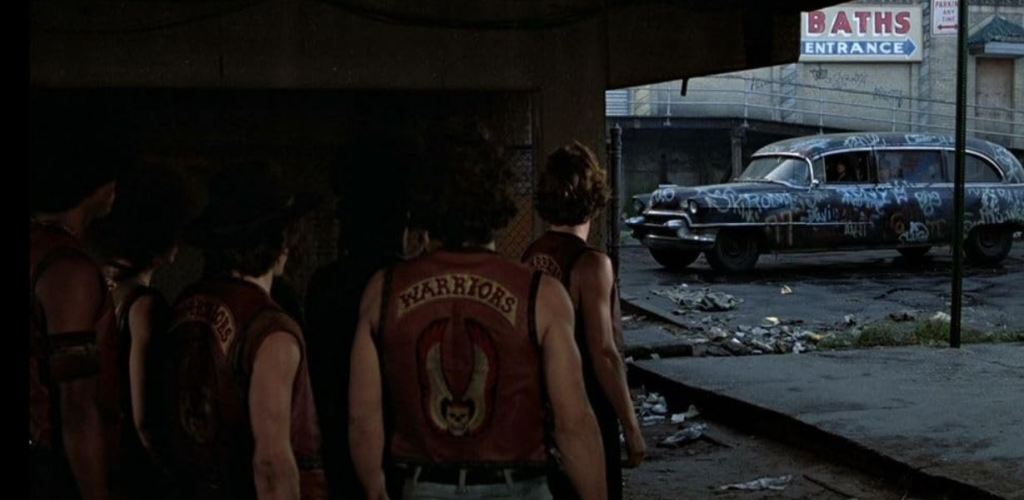
However, the worlds of reality and fantasy can collide with devastating results. The film opened on February 9, 1979, without any major incidents. In fact, it wasn’t until the following weekend the film was linked to sporadic outbreaks of vandalism and three killings — two in Southern California and one in Boston — involving moviegoers on their way to or from showings.
This prompted Paramount removing advertisements from radio and television completely, and display ads in the press were reduced to the film’s title, rating, and participating theaters. However, as they say, “no publicity is bad publicity” and the film became a major hit, earning well over its modest budget of $4 million.
Even as a child, I could tell that this was just a movie and that the world of gang culture was never that cool or glamorous.
Upon its release, the film received negative reviews, with Roger Ebert describing the film as a “ballet of stylized male violence”, perhaps the best way to describe this film and make it somehow sound even cooler. Linda Gross writing for the Los Angeles Times, was less polite with her criticism, describing the film as “an inciteful, stylized and shallow portrayal of gang warfare that panders to angry youthful audiences.” (Gross would have hated Todd Phillips’ “Joker” with a passion then).
However, critic Pauline Kael was a fan of the film, in her review for the New Yorker, she stated that “The Warriors is a real moviemaker’s movie: it has in visual terms the kind of impact that ‘Rock Around the Clock’ did behind the titles of Blackboard Jungle. The Warriors are like visual rock.” Kael certainly recognized the impact that this film had on the youth culture of the time, and acknowledged how Walter Hill was homaging the films of the 1950s (another era of teenage rebellion and street gangs).
Praise has to be had to the likes of Hill, cinematographer Andrew Laszlo, costume design by Frederic C. Weiler and the score by Barry De Vorzon. With their combined efforts creating a film which stood out from the rest of the films of 1979.
Originally posted on Filmotomy: https://filmotomy.com/rewind-1979-in-film-the-warriors/

 The Film Bee Reviews
Leave a comment